
Article: 10 Things You Didn't Know About the Mānuka Bush
10 Things You Didn't Know About the Mānuka Bush
The first monday of November is New Zealand Mānuka Honey Day, so we're giving a little love to the plant that makes it all possible.
Mānuka honey gets all the attention, but the hardy, scrappy bush behind it has an amazing story of its own. It's a story we know well. Since 2015, we've been working alongside mānuka across Taranaki.
Here are 10 things you might not know about the mānuka bush.
1. It's a true Kiwi local
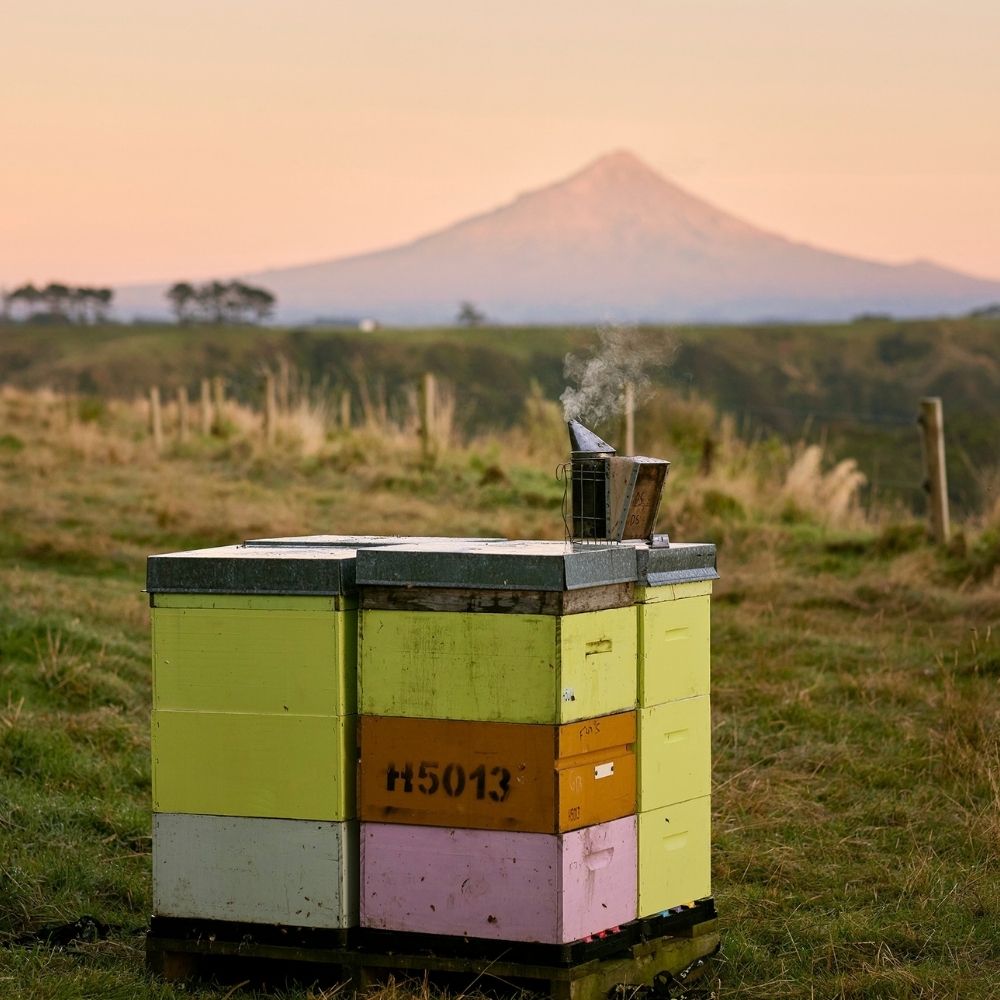
Mānuka (Leptospermum scoparium) grows throughout Aotearoa, from coastal scrub to high country. Our hives sit among native bush on the Annabell family's South Taranaki farm, right where the mānuka grows.
2. It's nature's first responder
Mānuka is a pioneer plant. It's often one of the first to grow back on bare or disturbed land, sheltering the soil so native forest can return.
We're putting that to work. We're planting mānuka and other natives to return farmland to a wilder state. We're also working with the Taranaki Kiwi Trust to trap introduced predators, with the goal of bringing kiwi back to the land.
3. It flowers for just a few weeks a year
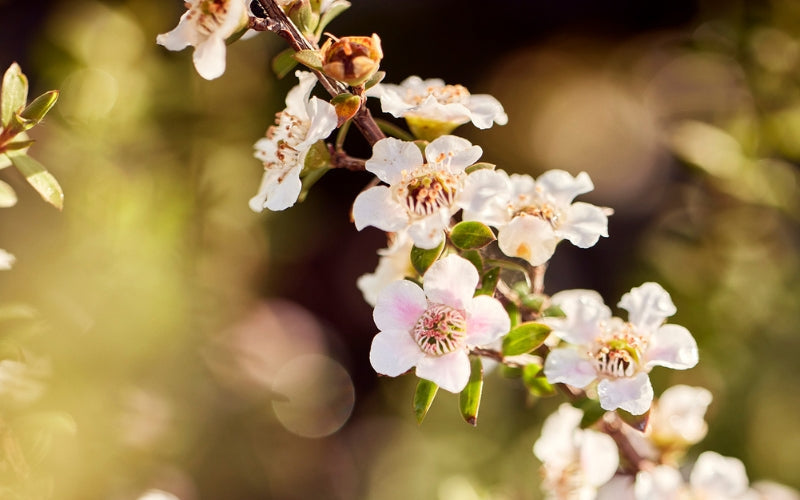
Mānuka blooms in late spring and early summer, usually for only a few weeks. The flowers are tiny, around a centimetre across, with five white petals that sometimes blush pink. Our beekeepers have a short window to get it right, which is part of what makes mānuka honey so precious.
4. The magic starts in the nectar
Mānuka nectar contains a compound called DHA. As the honey matures, DHA slowly turns into MGO (methylglyoxal), the compound mānuka honey is best known for. DHA also tells us about shelf life: the more DHA, the longer the honey keeps.
5. Not all mānuka honey tastes the same
When bees visit only mānuka flowers, you get monofloral mānuka honey, with a stronger, bittersweet flavour at higher grades. When mānuka is blended with other native nectars like pōhutukawa, rewarewa, kāmahi and rātā, you get multifloral mānuka. It has a softer, caramel flavour that's perfect for everyday use.
6. The numbers on the jar tell a story
The UMF™ grade on our jars comes from independent lab testing of four things:
- Authenticity: leptosperin, a compound found only in mānuka nectar
- Potency: MGO levels
- Freshness: HMF, which shows how the honey has been stored
- Shelf life: DHA levels
Egmont Honey is a certified UMF member, and every UMF-badged jar is tested by an approved lab before it reaches you.
7. Real mānuka honey has to pass a science test
New Zealand has a government definition of mānuka honey. Honey must pass tests for specific chemical markers and mānuka DNA before it can be labelled and exported as mānuka.
8. It has a long history with Māori
Māori have used mānuka for generations, from its leaves and bark in rongoā (traditional healing) to its strong timber for tools and building.
9. It's also called 'tea tree'
European settlers brewed its leaves as a tea substitute, which is how mānuka picked up the nickname 'tea tree'.
10. It takes a whole community to reach it
Mānuka often grows in remote, rugged country, so getting hives there takes teamwork. Farmers and landowners host our hives, helicopter pilots fly them into hard-to-reach spots, and beekeepers care for them through the season. Then our honey makers carefully bring the honey home.
From our hives to your home
It all started in 2015 with a single beehive, a gift from James Annabell to his dad Toby, a farmer and committed conservationist. One hive became 100, then 1,000, then thousands. Now, with Tweeddales joining the Egmont Honey whānau, we're New Zealand's largest beekeeper.
We own our hives, our farm and our factory, so we know exactly where our mānuka comes from. Every jar is filled and labelled at our New Plymouth factory, and our jars are made from 100% recycled plastic. Scan the QR code on your jar to trace your honey back to its source.
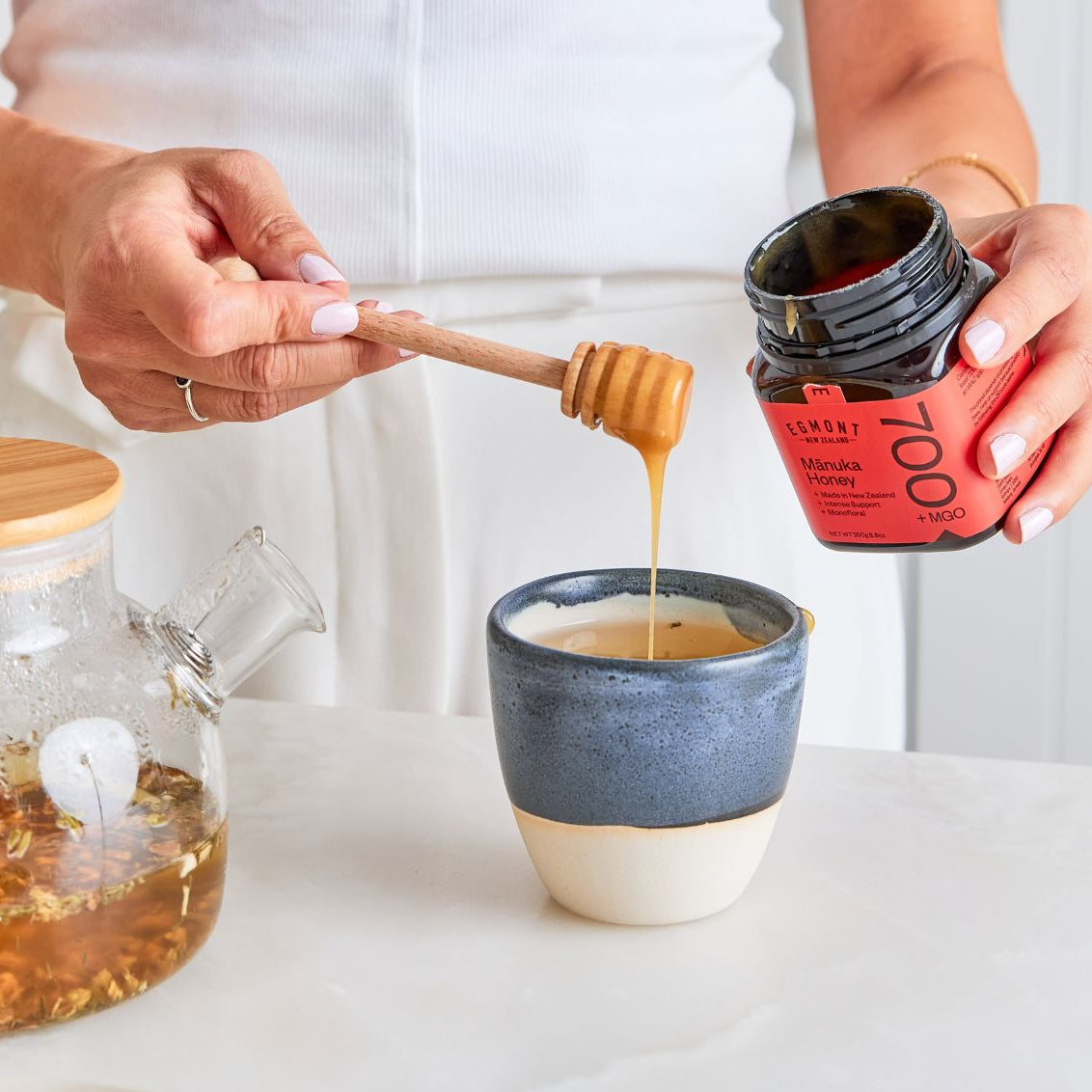
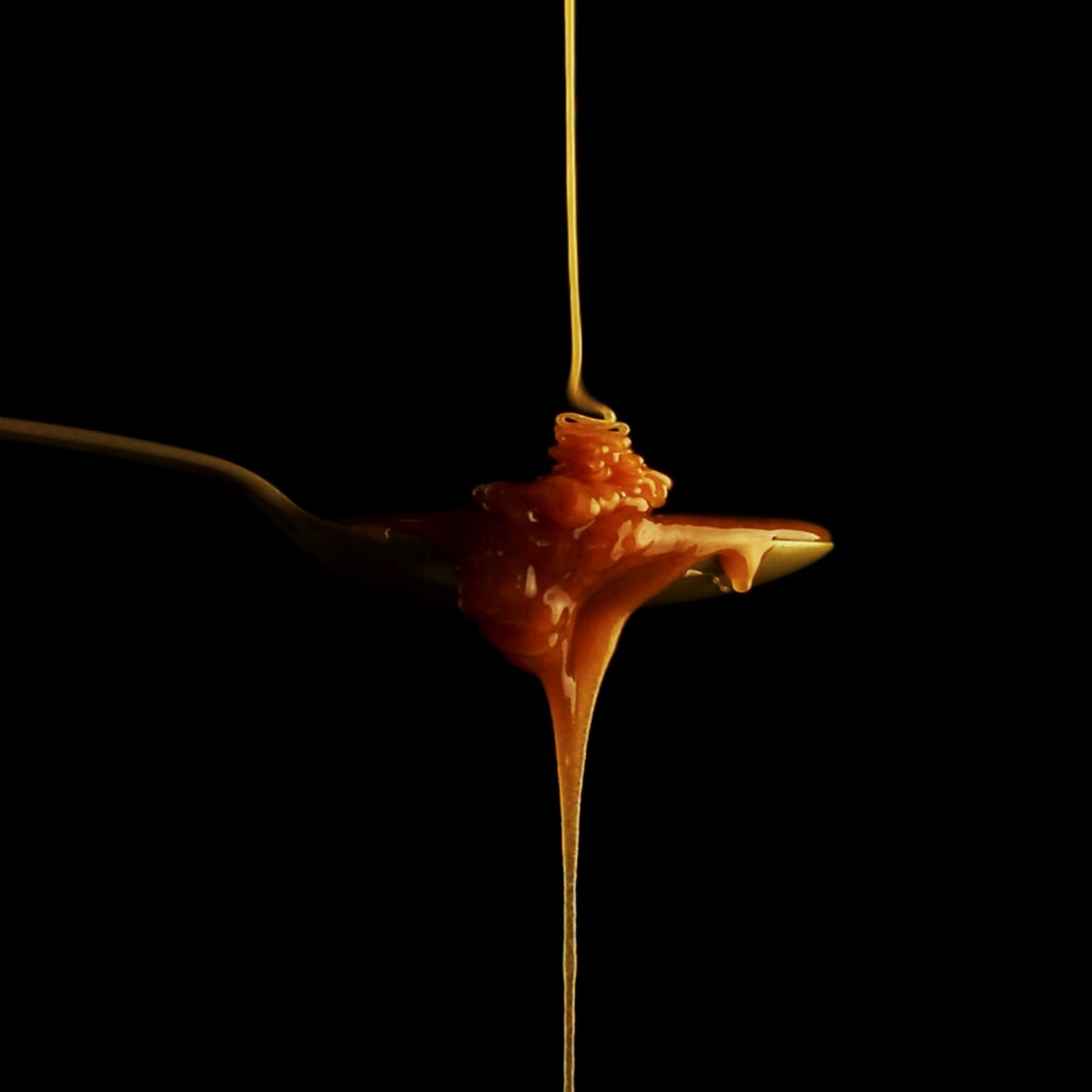
This Mānuka Honey Day, why not try a spoonful in your morning cuppa, drizzled over yoghurt, or straight off the spoon? We won't judge.