
What is MGO in Mānuka Honey? Your Complete Guide
Mānuka honey has earned its superfood status — but if you’ve ever stood in a health food aisle wondering what the MGO number actually means, you’re not alone. Here’s everything you need to know, from how it’s made to which MGO grade is right for you.
How is New Zealand Mānuka Honey Made?
Mānuka honey begins with a single tree. The native Mānuka (Leptospermum scoparium) flowers for just six weeks a year in New Zealand, making the harvest window short and the honey genuinely rare.
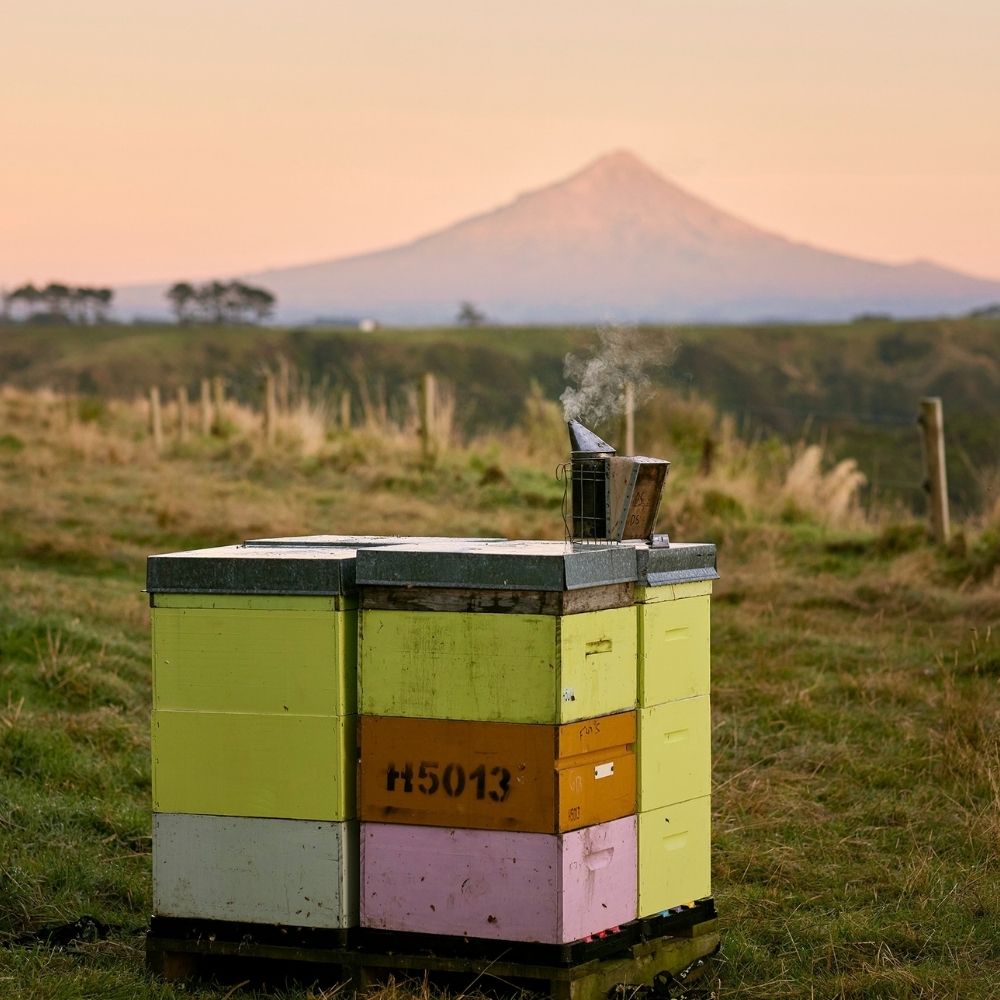
At our farm in South Taranaki, dense groves of Mānuka grow across remote, unspoiled land. Bees forage only a few kilometres from their hive, so we position the hives deep within these groves — the closer to the source, the more potent the honey.
Worker bees draw nectar through their proboscis and carry it back in their honey pouch. Back at the hive, house bees digest the nectar for around half an hour, converting its natural sucrose into glucose and fructose. The honey is then deposited into the honeycomb and fanned dry — bees are meticulous about moisture levels, since too much will cause fermentation. Once it reaches the right consistency, they seal each cell with wax to preserve it.
Our beekeepers harvest only the surplus, always leaving the colony with enough to thrive — particularly important through the New Zealand winter.
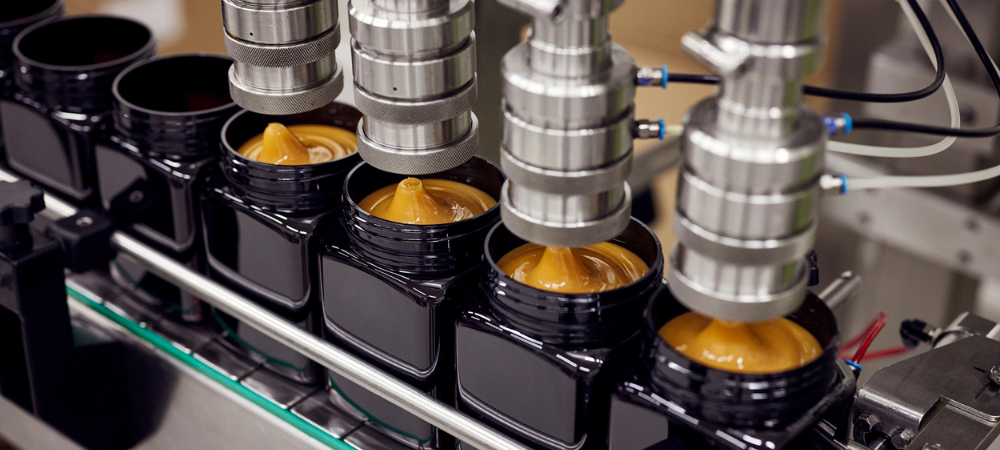
From the hive, the honey travels to our factory in Bell Block, New Plymouth. It’s filtered to remove any natural debris, then gently churned to develop that smooth, creamy texture.
What Does MGO Mean in Mānuka Honey?
MGO stands for methylglyoxal — the naturally occurring compound responsible for Mānuka honey’s renowned antibacterial properties. The higher the MGO rating, the greater the antibacterial potency.
MGO is what separates Mānuka honey from every other honey on the shelf. All honey has mild antibacterial qualities, but Mānuka’s MGO content is significantly higher, more stable, and more researched.
When you see MGO 100+ or MGO 500+ on a jar, that number tells you the minimum concentration of methylglyoxal per kilogram. It’s the most direct, transparent way to measure what you’re actually getting.
Egmont Honey is independently laboratory tested, so every MGO rating on our jars is verified before the product goes to market. You’re not taking our word for it.
Which MGO Mānuka Honey Should You Buy?
MGO 40+ and MGO 100+ — Everyday Wellbeing
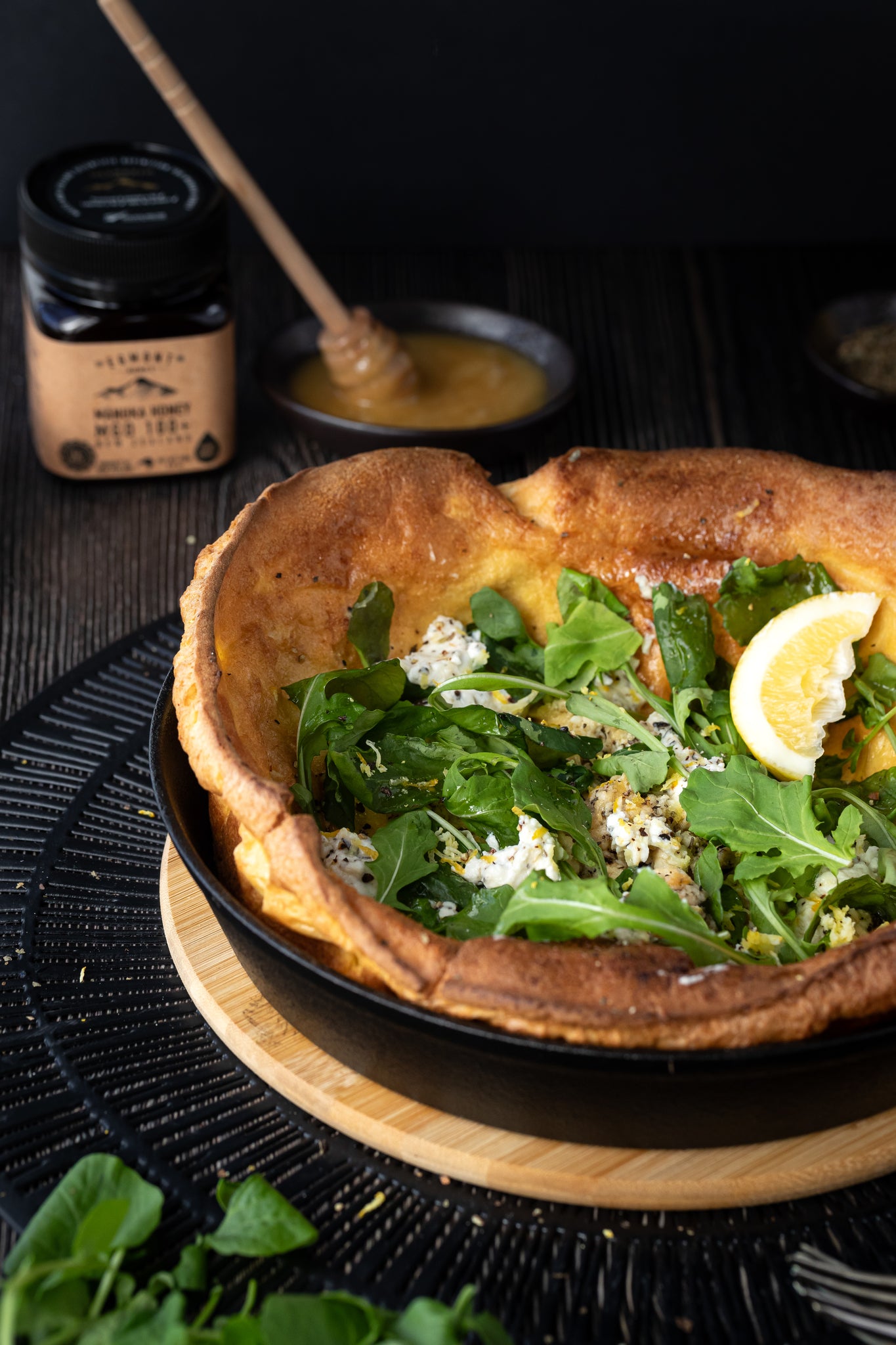
Our multifloral range blends Mānuka nectar with other native New Zealand wildflowers — Pohutukawa, Rewarewa, Kāmahi, Rata — creating a rich, caramel honey that works beautifully in everyday use. Stir it into porridge, drizzle over yoghurt, sweeten a smoothie, or use it as a natural alternative to refined sugar in cooking. You get the benefits of MGO alongside a genuinely delicious everyday honey.
MGO 250+ to MGO 550+ — Active Daily Support
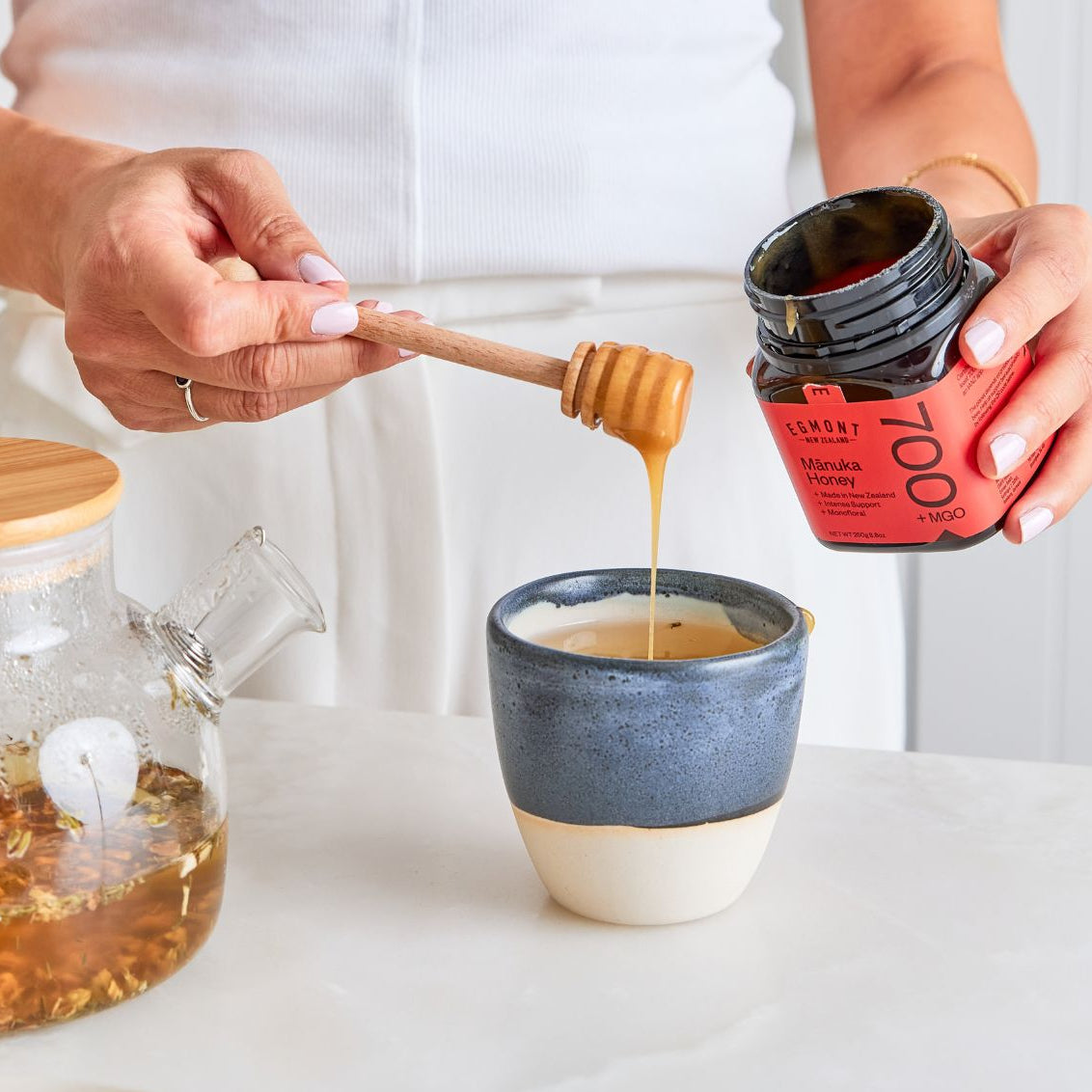
Pure monofloral Mānuka honey — nothing added, no other floral sources. The flavour deepens here: earthy, treacly, distinctly Mānuka. Enjoy it straight off the spoon, added to tea or a warm tonic, or as a daily cereal topping.
The New Zealand Ministry of Health recommends stirring honey into a warm drink to ease sore throats and coughs — this is the grade most people reach for when they want Mānuka working actively for them.
MGO 700+ to MGO 1200+ — Premium Potency
At this level, less is genuinely more. The flavour is intense — dark, bittersweet, complex — and the antibacterial activity is at its highest. One teaspoon morning and evening is how our team uses it.
High-grade Mānuka honey also lends itself to topical skincare. A simple DIY face mask: one spoonful of MGO 700+ blended with half a teaspoon of turmeric, two tablespoons of coffee grounds, and a squeeze of lemon. Natural, nourishing, and genuinely effective.
At this potency, it earns its place alongside your premium supplements or your best skincare — whichever shelf you consider the top one.
How to Use Mānuka Honey Every Day
The beauty of MGO-rated Mānuka honey is that there’s a grade for every moment of your routine. Start the morning with a drizzle over your porridge or granola. Use a mid-range MGO in your tea after lunch. Keep a high-grade jar in the bathroom for skincare.
We’d love to see how you’re using yours — tag us on Instagram @egmont_honey_uk with your recipes and creations.